English
 العربية
 Español
 Deutsch
 Русский
 Italiana
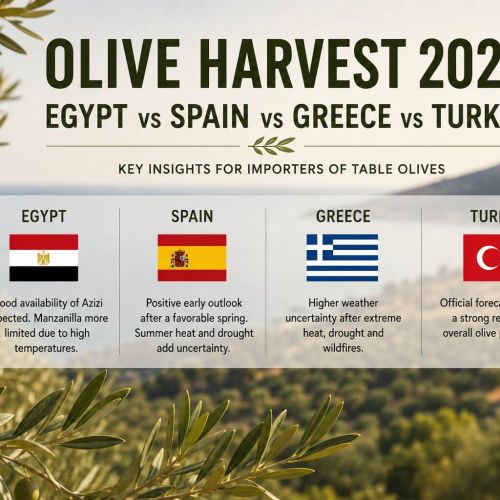
Olive Harvest 2026: Egypt vs Spain, Greece & Türkiye — What Importers Should Watch Before the New Season The 2026 olive harvest is approaching across the Mediterranean, and for table olive importers, the weeks before the new crop are an important procurement window. . Spain entered the summer with positive early crop expectations following...
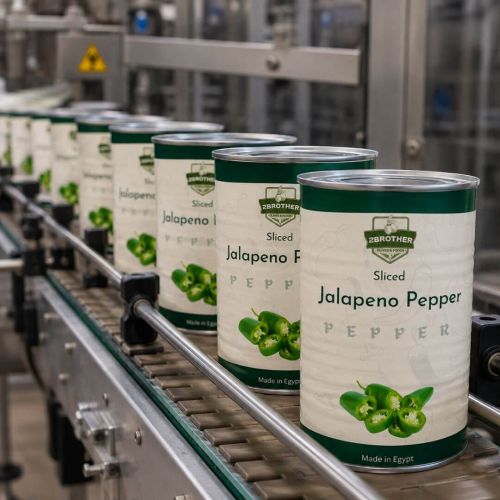
Why A10 Cans Are Becoming the Preferred Choice for Bulk Pickled Jalapeño Supply For food manufacturers, wholesalers, and foodservice distributors, packaging is just as important as product quality. Among the various commercial packaging formats available today, A10 metallic cans have become one of the most practical solutions for supplying...
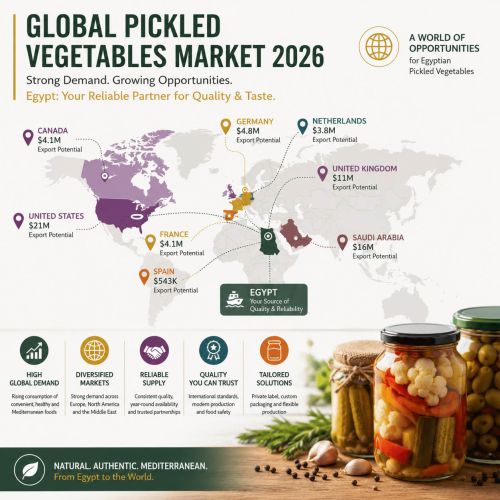
Global Pickled Vegetable Market Outlook 2026: Where International Buyers Should Focus Next The global market for pickled vegetables continues to evolve as food importers seek reliable suppliers, competitive pricing, and diversified sourcing strategies. Rising consumer demand for convenient, healthy, and Mediterranean-inspired foods has...
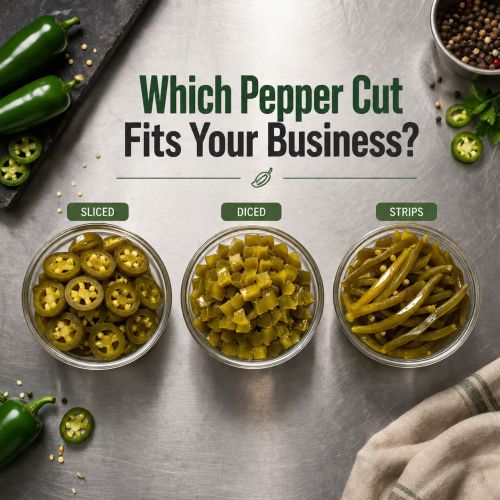
Choosing the Right Pickled Pepper Format for Restaurants, Foodservice & Food Manufacturers For foodservice professionals, restaurant chains, catering companies, and food manufacturers, selecting the right pickled pepper goes beyond choosing a variety. . The format of the pepper—whether sliced, diced, or cut into strips—can directly influence...
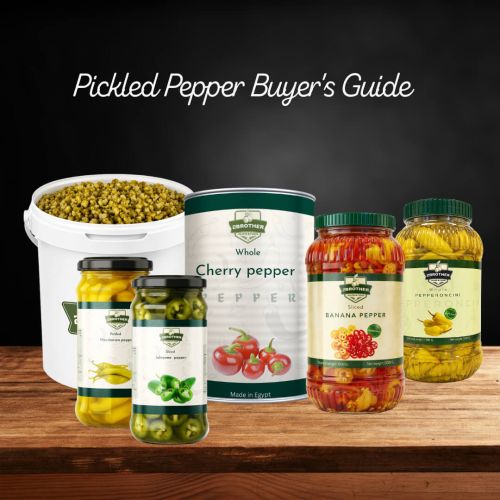
Pickled Pepper Buyer's Guide for UK Importers How to Choose the Right Pickled Pepper Products for Retail, Foodservice, Wholesale & Private Label Whether you're importing pickled peppers for retail shelves, supplying restaurants, developing a private label brand, or distributing food products across the UK, choosing the right pepper variety and...
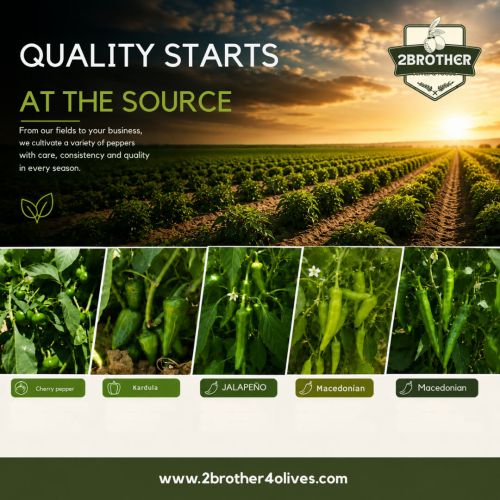
Global Pepper Harvest Seasons: A Practical Guide for Importers and Food Buyers When sourcing peppers for retail, foodservice, processing, or private label programs, most purchasing decisions focus on specifications, certifications, pricing, and packaging. . However, experienced buyers know that another factor often influences availability, lead...
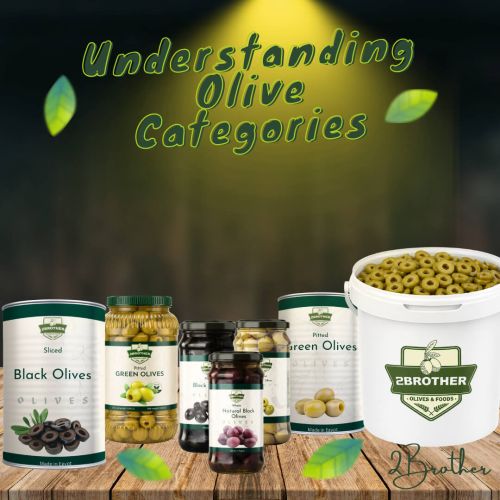
Which Olive Products & Packaging Formats Work Best for UK, USA & Canadian Markets? A Practical Guide for Importers, Foodservice Buyers, Retailers, Distributors & Private Label Brands For olive importers in the UK, USA, Canada, and other English-speaking markets, choosing the right olive product is not only about quality. . The right olive type,...
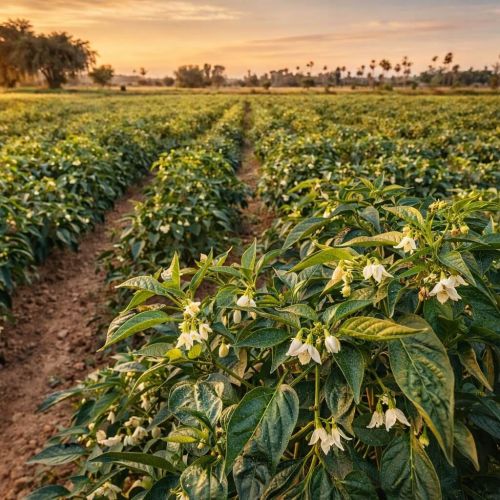
Why Export Quality Begins Before Harvest: The Jalapeño Farm Advantage What importers, distributors, and private label buyers should know before sourcing For professional buyers, jalapeño quality does not begin at processing, packing, or export. It begins earlier — at farm level. . In European and international B2B supply, buyers are not only...
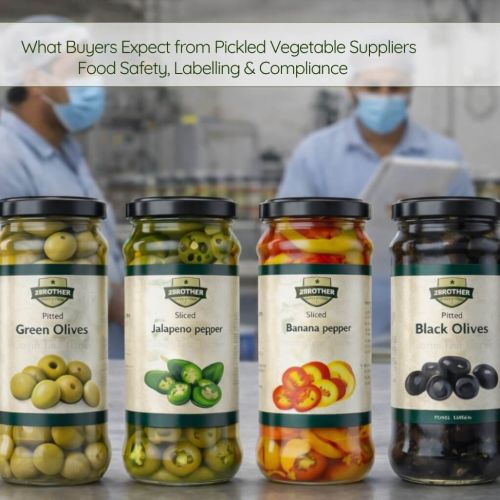
What EU Buyers Expect from Pickled Vegetable Suppliers: Food Safety, Labelling, and Compliance For EU buyers, sourcing pickled vegetables is not only about product taste, price, or packaging. In most cases, the first real question is much simpler: Can this supplier support the market properly? . Importers, distributors, wholesalers, and private...
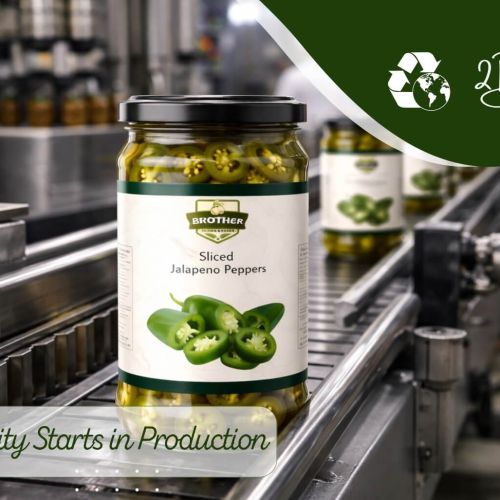
Sustainability and Food Manufacturing in Europe What today’s B2B buyers expect from a modern manufacturing partner Sustainability has become an important part of food manufacturing across Europe. It is no longer viewed only as a communication topic, but as a practical part of how manufacturers operate, how products are prepared for market, and...
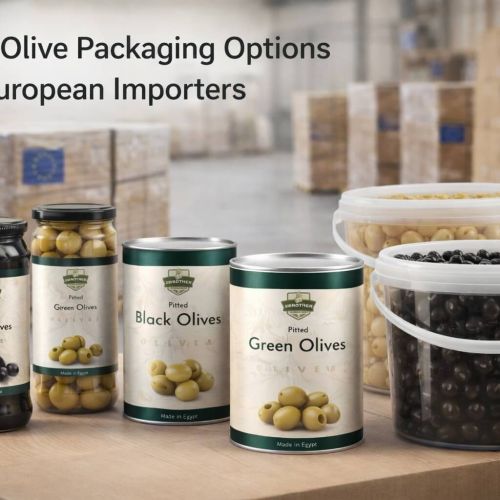
Bulk Olive Packaging Options for European Importers For European importers, olive packaging is not just about filling a container. It is a commercial decision that affects logistics, shelf presentation, repacking efficiency, private label potential, and product suitability for each market. . Whether the olives are imported for wholesale...