English
 العربية
 Español
 Deutsch
 Русский
 Italiana
Global Pepper Harvest Calendar
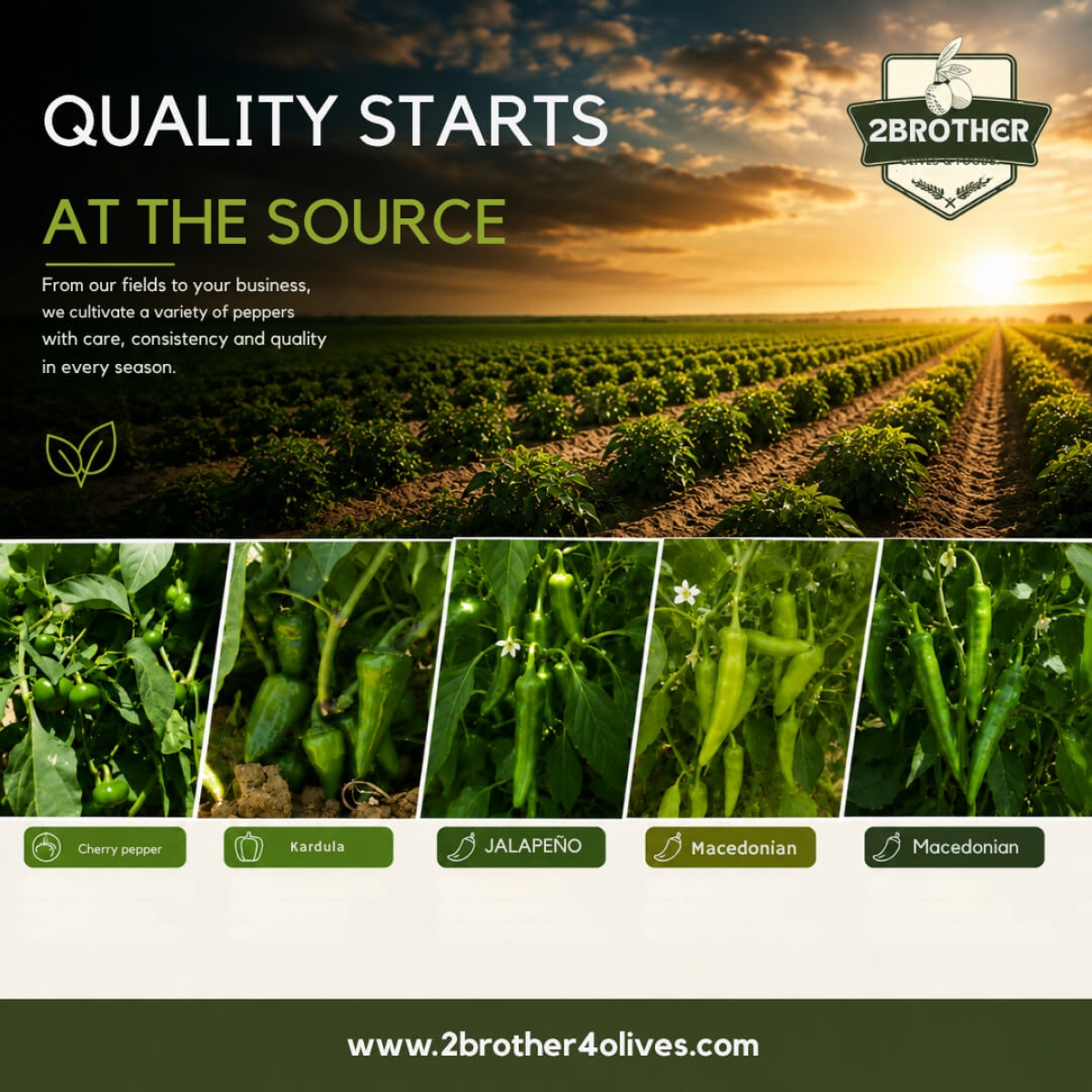
Global Pepper Harvest Seasons: A Practical Guide for Importers and Food Buyers
When sourcing peppers for retail, foodservice, processing, or private label programs, most purchasing decisions focus on specifications, certifications, pricing, and packaging.
However, experienced buyers know that another factor often influences availability, lead times, and contract planning:
Harvest season.
Understanding when major pepper-producing countries harvest their crops helps importers anticipate market conditions, plan purchasing programs, and reduce supply risks throughout the year.
Why Harvest Timing Matters
Agricultural products follow growing cycles.
Unlike manufactured goods, peppers are harvested during specific periods of the year, creating natural supply windows across global markets.
For buyers, this means that purchasing decisions are often more effective when aligned with harvest periods and production planning schedules.
Understanding harvest calendars can help buyers:
-
Plan annual contracts more efficiently
-
Anticipate seasonal market fluctuations
-
Secure production capacity earlier
-
Improve inventory planning
-
Reduce last-minute sourcing challenges
Major Pepper Harvest Seasons Around the World
While harvest periods may vary by region, climate, and pepper variety, the following calendar provides a general overview of the world's major pepper-producing countries.
| Country | Main Harvest Period |
|---|---|
| Egypt | June – October |
| Turkey | July – October |
| Spain | June – October |
| Italy | July – September |
| United States | July – October |
| Mexico | Multiple harvest cycles throughout the year |
| China | June – October |
Countries with multiple growing regions, such as Mexico, can often supply peppers across longer periods of the year, while seasonal producers typically concentrate harvesting during summer and early autumn.
The Difference Between Harvest Season and Product Availability
One of the most common misconceptions among buyers is that product availability ends when harvest season ends.
In reality, harvest season and supply season are not always the same.
Professional processors and exporters often build inventory programs during harvest periods, allowing them to continue supplying customers throughout the year.
This is particularly important for products such as:
-
Jalapeño Peppers
-
Pepperoncini Peppers
-
Cherry Peppers
-
Drop Peppers
-
Macedonian Peppers
-
Specialty Pepper Varieties
For these products, supply continuity depends not only on agricultural production but also on inventory management, processing capacity, and production planning.
Why Contract Timing Matters
Many buyers begin discussing supply programs only when demand becomes urgent.
Unfortunately, this is often when production schedules are already allocated and lead times become longer.
Experienced procurement teams typically begin planning before harvest peaks, allowing suppliers to allocate production volumes, packaging materials, and inventory more effectively.
This approach helps create more stable sourcing programs and reduces operational risks throughout the year.
Questions Every Buyer Should Ask
Before entering a supply agreement, buyers should consider asking:
-
When does your harvest season begin?
-
How do you manage inventory after harvest?
-
Do you maintain year-round supply programs?
-
How far in advance should contracts be planned?
-
What measures ensure supply continuity throughout the year?
The answers often provide valuable insight into a supplier's long-term capabilities.
Final Thoughts
Harvest season is more than an agricultural event.
For importers, distributors, food manufacturers, and private label brands, it is an important planning tool that influences sourcing decisions, contract timing, and supply reliability.
Understanding global pepper harvest calendars allows buyers to make more informed purchasing decisions and build stronger supply programs long before market pressure begins.
Because successful sourcing is not only about finding the right product.
It is also about understanding when that product enters the supply chain—and working with partners who are prepared long after the harvest season has ended.