English
 العربية
 Español
 Deutsch
 Русский
 Italiana
Why Export Quality Begins Before Harvest
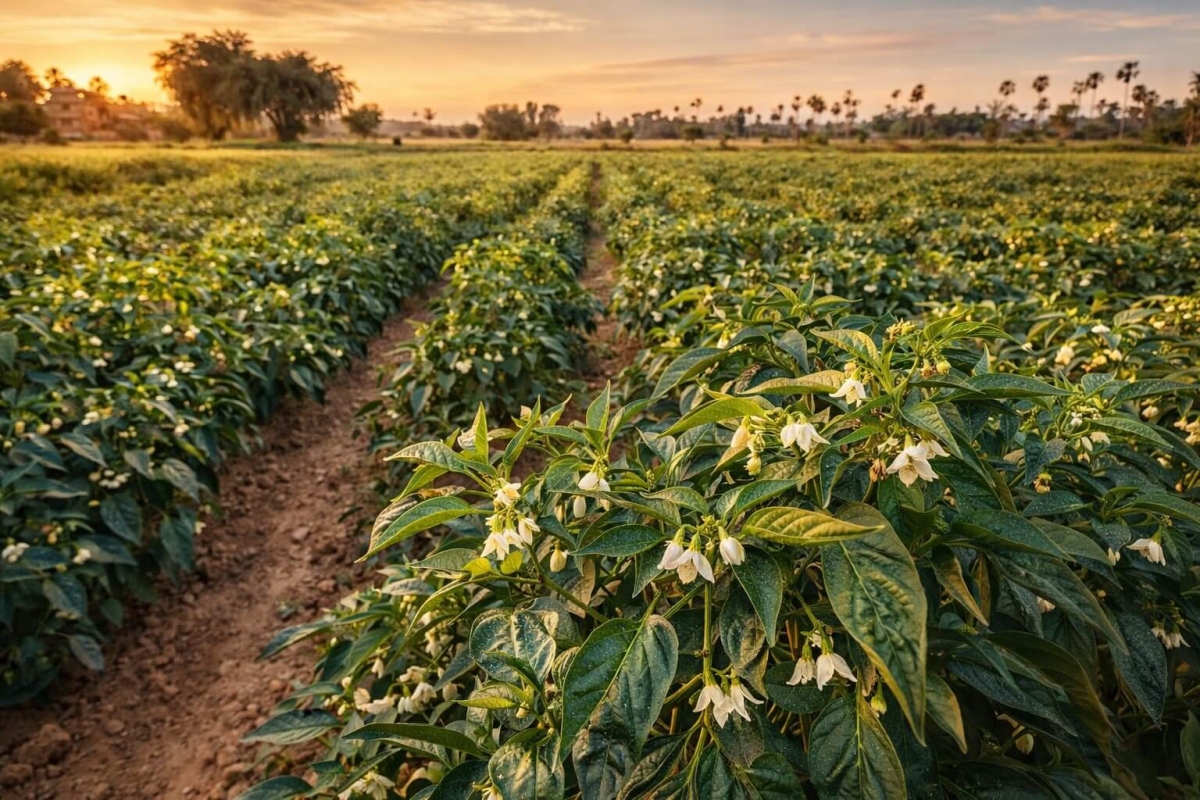
Why Export Quality Begins Before Harvest: The Jalapeño Farm Advantage
What importers, distributors, and private label buyers should know before sourcing
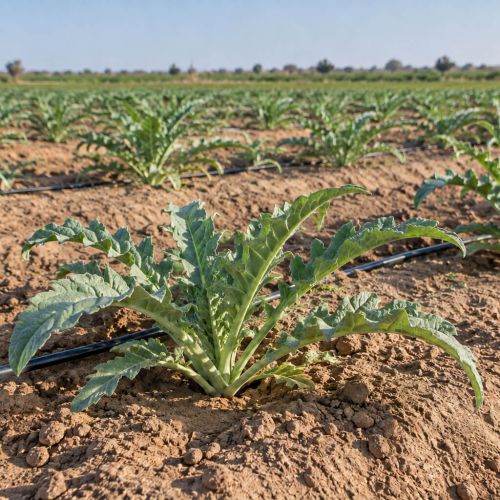
For professional buyers, jalapeño quality does not begin at processing, packing, or export. It begins earlier — at farm level.
In European and international B2B supply, buyers are not only evaluating the final packed product. They are also evaluating how the raw material is grown, how harvest timing is managed, and whether the supplier can support stable quality before the product even enters the factory.
That is especially important in jalapeño supply.
For importers, distributors, foodservice buyers, and private label partners, export quality starts with farm discipline, crop consistency, and a production chain built to support international market requirements from the beginning.
Quick answer: why does export quality begin before harvest?
Because the farm stage directly affects:
- jalapeño consistency
- harvest quality
- processing suitability
- slicing performance
- texture and appearance
- packing stability
- long-term supply reliability
A supplier that controls quality before harvest is usually better prepared to deliver more consistent export results after processing and packing.
Why the jalapeño farm stage matters in export supply
In export-oriented food production, the quality of the raw material is one of the strongest indicators of the quality of the final product. By the time jalapeños reach slicing, pickling, or packing, many quality variables have already been defined in the field.
For B2B buyers, that matters because poor control at farm level often creates problems later in the chain.
A more structured farming stage supports:
- more uniform product batches
- better suitability for processing
- stronger visual consistency
- lower variability in finished goods
- more dependable supply planning
That is why experienced buyers often look beyond the jar, can, or packed format. They want to understand how the product starts.
Farm control shapes final jalapeño quality
Jalapeños intended for export are not just grown. They need to be grown with the final market in mind.
That means the farm stage should already be aligned with:
- intended product format
- processing requirements
- consistency expectations
- buyer specifications
- export supply planning
For example, product maturity, size profile, firmness, and harvest timing can all affect how suitable the peppers are for slicing, pickling, or final presentation in retail and foodservice formats.
In practice, this means farm quality is not separate from export quality. It is one of its foundations.
Harvest timing affects processing, appearance, and consistency
For jalapeño products, harvest timing is a commercial issue as much as it is an agricultural one.
Peppers harvested too early or too late may affect:
- texture retention
- slice quality
- visual uniformity
- product presentation
- suitability for pickling
- consistency across batches
For buyers working with regular supply, this matters because the goal is not only to receive product. The goal is to receive product that behaves consistently during processing, packing, and sale.
A supplier with stronger harvest control usually appears more reliable because fewer quality problems are pushed downstream.
Why B2B buyers care about the farm, not just the factory
Many suppliers talk about production quality once the product reaches the processing line. Serious buyers usually think earlier than that.
Importers and private label buyers often want to know whether the supplier has real control over the product journey from the start. That is because farm-stage discipline can reduce risk in later stages, including:
- processing variability
- product inconsistency
- quality complaints
- unstable specifications
- weaker private label execution
- less predictable supply performance
In B2B food trade, buyers generally trust suppliers more when quality starts before the factory.
Jalapeño farming and private label readiness
For private label projects, consistency matters even more.
A private label buyer is not simply sourcing peppers. They are choosing a manufacturing and supply partner that will sit behind their brand.
That means the supplier should be able to support:
- repeatable raw material quality
- stable product appearance
- consistent slicing and processing outcomes
- better control over final packed product
- long-term supply confidence
This is one reason why jalapeño farm quality should be part of the supplier conversation. It directly influences how reliable the final product can be under a private label or own-brand model.
From farm to processing: one connected quality chain
One of the biggest misunderstandings in food supply is treating farming, processing, and export as separate stages.
For buyers, they are not separate. They are one connected chain.
In jalapeño products, farm performance can influence:
- raw material selection
- processing efficiency
- slicing consistency
- waste levels
- final product presentation
- suitability for jars, tins, or bulk formats
- export readiness for different markets
That is why a supplier with a stronger farm-to-processing mindset is often better positioned for serious B2B cooperation.
What importers look for in a jalapeño supplier
When buyers evaluate a jalapeño supplier, they usually do not ask only about product availability. They also look for signs of deeper operational control.
In practical terms, they want to feel that the supplier can support:
1. Raw material consistency
The product should begin with a more stable agricultural base.
2. Better harvest discipline
Timing and crop handling should support processing and export quality.
3. Stronger processing suitability
The farm stage should produce peppers suitable for slicing, pickling, and packing.
4. Long-term supply stability
The supplier should look capable of supporting repeat business, not only one-off shipments.
5. A real farm-to-export logic
The supplier should show that quality is managed across the chain, not only presented at the end.
Why this matters in European and international B2B markets
In Europe and other structured B2B food markets, suppliers are increasingly evaluated on more than product claims.
Buyers want evidence of discipline, consistency, and readiness. They are more likely to trust suppliers who can show that product quality begins before processing and is supported through the full chain.
For jalapeño products, this creates a stronger commercial position because the supplier is not only selling a finished item. They are presenting a more reliable supply model.
That matters in:
- wholesale sourcing
- foodservice supply
- retail programs
- industrial food use
- private label partnerships
- long-term import relationships
Farm quality supports stronger export credibility
Supplier credibility is built when the business can explain quality in a way that feels real, structured, and commercially relevant.
A jalapeño supplier appears stronger when they can connect:
- farm control
- harvest timing
- processing suitability
- final product consistency
- export readiness
That is what helps move the conversation from “product seller” to “reliable B2B partner.”
For importers, that difference matters.
Conclusion
Export quality in jalapeño supply does not begin at packing. It begins before harvest.
For importers, distributors, and private label buyers, the farm stage is one of the clearest indicators of whether a supplier can support consistency, processing quality, and long-term export performance.
A supplier that understands jalapeño quality from the field forward is often better prepared to support international markets with more confidence and less variability.
In other words, the farm is not just where the product starts. It is where export quality begins.
Looking for a jalapeño supplier with a farm-to-export approach?
If you are sourcing jalapeño products for wholesale, retail, foodservice, or private label, working with a supplier that understands quality from the farm stage can improve consistency, processing performance, and long-term supply reliability.
Contact us to discuss jalapeño product formats, packaging options, and supply solutions for your market.
FAQ – Jalapeño farm quality and export supply
Why does export quality begin before harvest?
Because consistency, maturity, texture, and processing suitability are influenced at farm level before the product reaches packing or export.
Why is farm control important for jalapeño buyers?
Because it affects raw material quality, harvest consistency, processing performance, and final export readiness.
Does harvest timing affect jalapeño export quality?
Yes. Harvest timing can influence firmness, slicing quality, appearance, and suitability for pickling or packing.
Why do importers care about the farm stage?
Because stronger farm control reduces variability and supports more reliable long-term supply.
Is farm quality relevant for private label jalapeño products?
Yes. Private label buyers need repeatable quality, and that starts with better control before harvest.
What makes a jalapeño supplier stronger in B2B markets?
A supplier looks stronger when they show control from farm to processing to export, not only at the final packed-product stage.