English
 العربية
 Español
 Deutsch
 Русский
 Italiana
Sustainability and Food Manufacturing in Europe
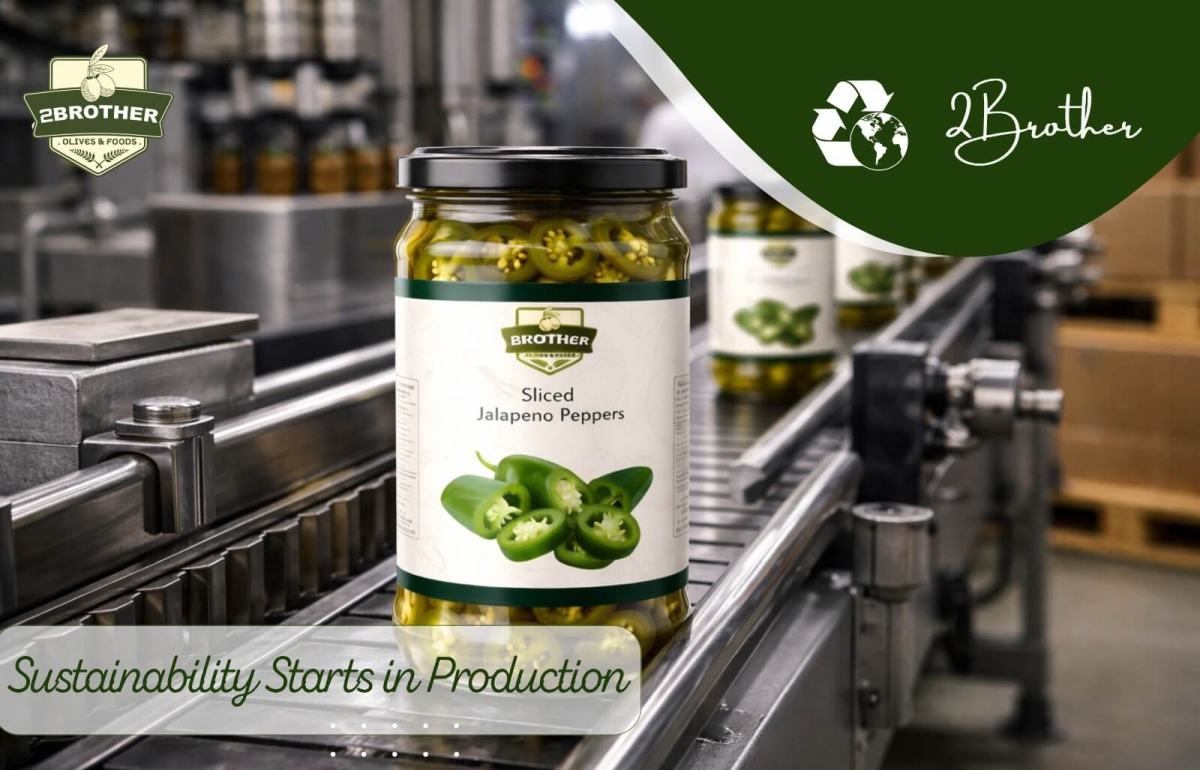
Sustainability and Food Manufacturing in Europe
What today’s B2B buyers expect from a modern manufacturing partner
Sustainability has become an important part of food manufacturing across Europe. It is no longer viewed only as a communication topic, but as a practical part of how manufacturers operate, how products are prepared for market, and how long-term supply relationships are built.
For importers, distributors, private label companies, and foodservice buyers, sustainability is increasingly linked to the wider performance of a supplier. It sits alongside product quality, packaging suitability, consistency, operational control, and readiness for long-term cooperation.
In this context, food manufacturing in Europe is moving toward a more integrated model, where responsible production, efficient processes, and market-oriented supply are expected to work together.
A changing standard in the European food sector
Across European markets, buyer expectations continue to evolve. Food manufacturers are now assessed not only on the quality of the final product, but also on the strength of the systems behind it.
This includes how raw materials are handled, how production is managed, how packaging decisions are approached, and how clearly the manufacturer can support the needs of different channels and markets.
For B2B buyers, sustainability is therefore not a separate issue. It is part of a broader question:
Can this supplier support a stable, responsible, and commercially viable supply model?
Sustainability as part of manufacturing performance
In food manufacturing, sustainability is most relevant when it is connected to the way the operation functions in practice.
That usually includes areas such as:
- efficient production flow
- responsible use of materials and resources
- suitable packaging choices
- consistency in output
- process control
- readiness for long-term market requirements
From a B2B perspective, these factors matter because they influence operational reliability as much as they influence supplier image.
What European B2B buyers increasingly look for
European buyers tend to evaluate suppliers through a practical lens. In most cases, sustainability has greater value when it supports the wider commercial and operational requirements of the business relationship.
Operational discipline
A well-managed production process is often seen as a sign of both efficiency and responsibility. Buyers usually place greater trust in manufacturers that demonstrate control, consistency, and a clear production structure.
Packaging suitability
In many product categories, packaging now forms part of the sustainability discussion. Importers and private label buyers often look for packaging solutions that are commercially suitable, operationally practical, and aligned with market expectations.
Long-term supply thinking
Sustainability is also linked to continuity. Buyers want to work with suppliers that are able to support ongoing business through dependable production, stable output, and a clear understanding of market requirements.
Clear communication and transparency
Manufacturers are increasingly expected to communicate their production approach in a straightforward and credible way. This is especially relevant in export-oriented supply, where buyers need confidence in both the product and the process behind it.
The role of sustainability in private label and retail supply
For private label buyers, sustainability is often part of a wider evaluation of manufacturing suitability. It can influence how a product is positioned, how it fits retailer expectations, and how the supplier is perceived as a long-term partner.
In these cases, sustainability is not limited to messaging. It becomes part of the full supply offer through:
- packaging decisions
- process consistency
- production reliability
- commercial flexibility
- alignment with market direction
For retail and own-brand programs, these factors can make a meaningful difference in the strength of the final offer.
Beyond claims: the importance of practical credibility
European markets are becoming increasingly selective. General sustainability statements may support visibility, but they are rarely enough on their own.
What creates confidence is a more practical form of credibility — one that is reflected in how the manufacturer works, how the production model is presented, and how well the supplier can support the buyer’s operational reality.
This is particularly important in B2B food supply, where long-term cooperation depends not only on product quality, but also on trust in the wider manufacturing approach.
Sustainability and long-term positioning in Europe
For manufacturers supplying Europe, sustainability is most effective when it is integrated into the wider business model rather than treated as a separate theme.
That means connecting it with:
- production planning
- packaging strategy
- export readiness
- customer expectations
- market positioning
- long-term partnership development
When these elements are aligned, sustainability becomes more than a statement. It becomes part of the value the manufacturer brings to the buyer.
Building supplier trust through responsible manufacturing
In the European food sector, trust remains central to supplier selection. Buyers are generally looking for partners that combine product quality with operational professionalism and a clear understanding of where the market is heading.
A manufacturer that can support this through consistent production, suitable packaging, transparent communication, and a responsible approach to supply is often in a stronger position to build lasting B2B relationships.
Conclusion
Sustainability and food manufacturing in Europe are now closely connected. For today’s B2B buyers, sustainability is not simply about environmental positioning. It is also about how a manufacturer operates, how well the supply model fits market expectations, and whether the company is prepared to support long-term business development.
As the European market continues to evolve, manufacturers that combine responsible production with practical commercial value will be better positioned to serve importers, distributors, private label clients, and foodservice buyers across different channels.
Looking for a manufacturing partner aligned with European market expectations?
If you are sourcing food products for wholesale, retail, foodservice, or private label, working with the right manufacturing partner is an important part of long-term success.
A supplier with the right production mindset, packaging understanding, and export-oriented structure can help support both operational efficiency and commercial growth.
Contact us to discuss how a market-focused manufacturing approach can support your business in Europe.
FAQ – Sustainability and Food Manufacturing in Europe
Why is sustainability important in European food manufacturing?
Because it has become part of how buyers assess manufacturing quality, packaging suitability, operational discipline, and long-term supply reliability.
What do European B2B buyers expect from a food manufacturer today?
They typically expect consistent product quality, suitable packaging, clear communication, reliable supply, and a manufacturing approach that reflects current market standards.
Does sustainability matter for private label supply?
Yes. It can influence packaging, supplier positioning, retailer expectations, and the long-term strength of the private label offer.
Is sustainability only about environmental communication?
No. In B2B food manufacturing, sustainability is also linked to process efficiency, resource management, packaging decisions, and production consistency.
Why do importers and distributors pay attention to sustainable manufacturing?
Because it can support trust, reduce supply risk, strengthen market fit, and improve the long-term value of the supplier relationship.
How can food manufacturers better align with European market expectations?
By connecting production efficiency, packaging strategy, operational transparency, and responsible supply practices within a clear export-oriented structure.