English
 العربية
 Español
 Deutsch
 Русский
 Italiana
Which Olive Products & Packaging Formats Work Best for UK, USA & Canadian Markets?
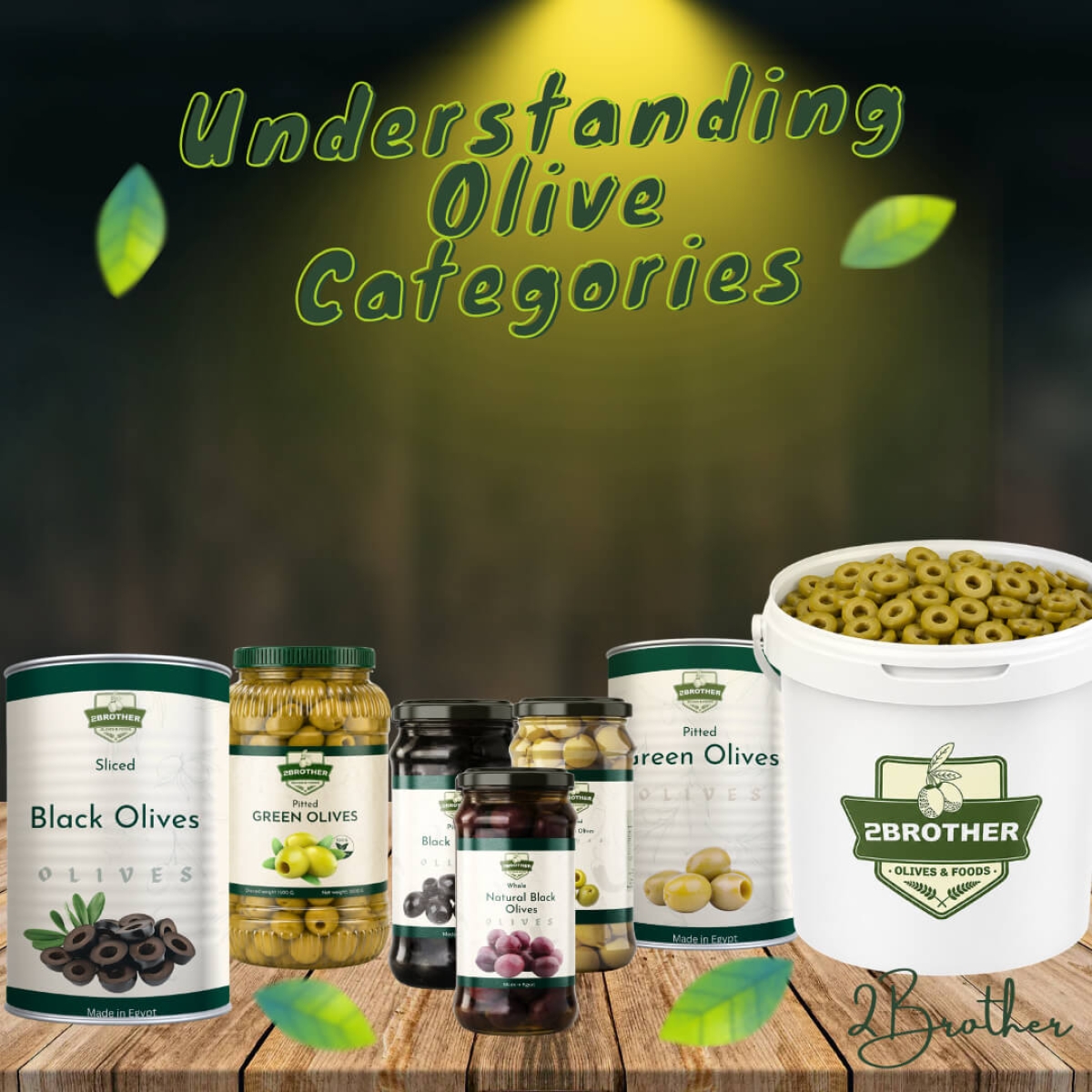
Which Olive Products & Packaging Formats Work Best for UK, USA & Canadian Markets?
A Practical Guide for Importers, Foodservice Buyers, Retailers, Distributors & Private Label Brands
For olive importers in the UK, USA, Canada, and other English-speaking markets, choosing the right olive product is not only about quality.
The right olive type, packaging format, and sales channel often determine whether a product performs successfully in the market.
A packaging format that works well for retail may not be practical for foodservice. A product designed for pizza chains may require completely different specifications than olives intended for premium retail shelves.
That is why successful olive sourcing depends on matching:
Olive Type → Packaging Format → Sales Channel → Customer Need
Whether you are an experienced importer or entering the olive business for the first time, understanding how olive categories and packaging formats work can help reduce risk, improve competitiveness, and support better buying decisions.
Understanding Olive Categories First
Before selecting packaging, it is important to understand which olive category fits your market.
Whole Green Olives
Often suitable for retail, foodservice, distribution, and private label programs. Commonly used across multiple channels due to their versatility.
Pitted Green Olives
A convenient ready-to-use option often preferred for salads, foodservice, retail, and private label concepts.
Sliced Green Olives
Usually more suitable for pizza, salads, sandwiches, foodservice, and food manufacturing where ease of preparation matters.
Stuffed Green Olives
Often positioned as a premium product for retail, gourmet ranges, antipasti, cocktail applications, delicatessen, and private label.
Common stuffing options include:
- Pepper stuffed
- Lemon stuffed
- Carrot strips stuffed
- Almond stuffed
Black Olives (Oxidized Black Olives)
Commonly used for pizza, sandwiches, salads, foodservice, and retail canned olive programs.
Sliced and pitted black olives are especially popular in pizza chains and prepared food applications.
Natural Black Olives
Different from oxidized black olives.
Natural black olives are often perceived as a more authentic Mediterranean product and are commonly positioned in premium retail, deli, gourmet, and Mediterranean food categories.
Kalamata Style Olives
Frequently associated with Mediterranean cuisine, premium retail, deli, salads, antipasti, and horeca.
How Olive Buying Usually Works in UK, USA & Canadian Markets
Different buyers require different olive formats.
Retail & Supermarkets
Retail buyers usually care about:
- shelf appeal
- visible product quality
- premium perception
- branding
- consumer trust
- private label flexibility
For retail, glass jars often work particularly well because consumers can see the product.
Premium olives, stuffed olives, natural black olives, and Kalamata olives often perform strongly in glass packaging.
PET can also work in selected retail programs depending on positioning and logistics.
Foodservice & Horeca
Restaurants, catering businesses, pizza chains, hotels, and foodservice distributors usually prioritize:
- practical handling
- large quantities
- consistency
- reduced preparation time
- efficient storage
- cost control
For these channels, metal tins, plastic pails, and bulk formats are often more practical.
Sliced olives, pitted olives, and black olives are particularly common in foodservice applications.
Food Factories & Food Manufacturing
Factories usually buy olives as ingredients rather than retail products.
They often focus on:
- consistency between shipments
- sliced or pitted specifications
- drained weight
- ease of handling
- stable supply
- production efficiency
For factories, metal tins, plastic pails, and bulk formats are usually the preferred option.
Sliced olives and pitted olives often work especially well in industrial use.
Distributors & Wholesalers
Distributors usually need flexibility because they often supply multiple customer types.
This may include:
- restaurants
- supermarkets
- pizza chains
- delicatessen stores
- food manufacturers
- repackers
For this reason, distributors often benefit from offering multiple packaging formats.
Recommended Packaging by Olive Type
| Olive Type | Recommended Packaging | Best For |
|---|---|---|
| Whole Green Olives | Gold metallic tins + glass jars | Retail, distributors, foodservice |
| Pitted Green Olives | PET jars + glass jars + tins | Retail, private label, foodservice |
| Sliced Green Olives | Plastic pails + tins + bulk | Pizza, salads, factories, horeca |
| Stuffed Green Olives | Glass jars first | Retail, deli, gourmet, antipasti |
| Black Olives (Oxidized) | Metal tins / cans + glass jars | Pizza, horeca, retail |
| Sliced Black Olives | Tins / A10 cans | Pizza chains, factories, foodservice |
| Natural Black Olives | Glass jars first | Premium retail, deli, Mediterranean ranges |
| Kalamata Style Olives | Glass jars + pails | Retail, deli, horeca |
What Consumers Often Prefer in English-Speaking Markets
Consumers in the UK, USA, and Canada often value:
- visible product quality
- clean packaging
- premium appearance
- convenience
- Mediterranean authenticity
- ready-to-use formats
For premium retail, glass packaging often creates stronger shelf appeal and trust.
For horeca and food manufacturing, functionality and practicality are usually more important than presentation.
Common Mistakes New Olive Importers Make
1. Choosing packaging before understanding the sales channel
Retail and foodservice usually require different packaging formats.
2. Buying premium retail formats for horeca
Restaurants and foodservice businesses often need larger, more practical formats.
3. Ignoring the difference between black olives and natural black olives
These are different products with different positioning and packaging needs.
4. Choosing the wrong olive type
Stuffed olives, sliced olives, and Kalamata olives serve different market purposes.
5. Focusing only on price
In many cases, the right packaging creates more competitive advantage than a small price difference.
Which Packaging Format Creates Competitive Advantage?
The right packaging can help importers:
- improve shelf appeal
- reduce logistics costs
- support private label positioning
- improve horeca efficiency
- simplify repacking
- increase product trust
- better match customer expectations
Sometimes competitive advantage comes not from lower price — but from offering the right product in the right packaging.
Quick Buyer Guide
Selling to supermarkets?
Glass jars often work best.
Selling to horeca or restaurants?
Metal tins and plastic pails are usually more practical.
Supplying pizza chains?
Sliced black olives and sliced green olives in tins are often the strongest option.
Building a private label brand?
Choose packaging based on positioning, pricing strategy, and target customer.
Supplying multiple channels?
A mixed packaging strategy is often the strongest solution.
FAQ – Questions Olive Importers Often Ask
Which olive type works best for retail?
Whole green olives, stuffed olives, natural black olives, and Kalamata olives often perform strongly in retail.
What olive product works best for foodservice?
Sliced olives, pitted olives, and black olives are often preferred due to convenience and operational efficiency.
Are stuffed olives better in glass jars?
In many premium retail and gourmet applications, yes.
Which olives work best for pizza chains?
Sliced black olives and sliced green olives are often the preferred option.
Are metal tins better than glass jars?
Not always. Glass usually works better for retail, while tins are often more practical for foodservice and wholesale.
Are plastic pails useful?
Yes. Especially for horeca, factories, and larger-volume operations.
Can mixed containers be arranged?
Yes. Depending on product mix and packaging requirements.
Which olive type works best for private label?
Whole green olives, stuffed olives, Kalamata olives, and natural black olives often work well depending on the target segment.
What should new importers decide first?
The target sales channel: retail, horeca, factories, distribution, or private label.
Not Sure Which Olive Type or Packaging Format Fits Your Market?
Our export team can help you select the right olive type and packaging format based on your market, sales channel, customer segment, and business model.