English
 العربية
 Español
 Deutsch
 Русский
 Italiana
Private Label Olive Manufacturing Supplier
How Private Label Olive Manufacturing Works for Retail & Foodservice Brands
Private label olive manufacturing is often misunderstood as simple rebranding. In reality, it is a fully structured production and supply system that determines consistency, scalability, and long-term market stability.
For retailers and distributors, choosing the right manufacturing and supply partner is not about labeling — it is about production discipline, controlled sourcing, and reliable bulk execution.
Understanding how private label olive manufacturing works helps brands reduce risk and build sustainable supply programs.
1. Product Definition & Market Alignment
Every private label olive program begins with clearly defined technical specifications:
-
Green, black, or natural olives
-
Whole, pitted, sliced, or stuffed
-
Size grading standards
-
Brine concentration levels
-
Shelf-life requirements
-
Retail or foodservice positioning
Retail markets often require uniform jar presentation and regulatory labeling compliance, while foodservice operators prioritize slicing consistency and bulk packaging efficiency.
Alignment at this stage prevents operational disruption later.
2. Controlled Agricultural Sourcing
Private label stability begins at the source.
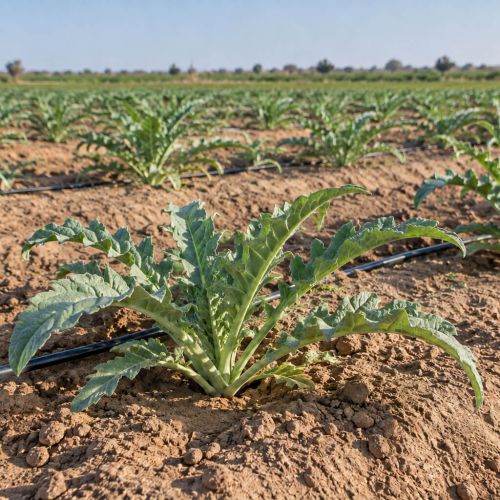
Consistent grading, calibrated harvesting schedules, and predictable seasonal output are essential to maintaining long-term supply reliability. Integrated sourcing systems reduce variability and protect brand integrity.
Without agricultural control, private label programs become exposed to supply fluctuations.
3. Industrial Processing & Standardization
Manufacturing discipline ensures that every batch meets agreed specifications:
-
Standardized slicing thickness
-
Controlled brining ratios
-
Fermentation monitoring for natural olives
-
Pasteurization and preservation systems
-
Batch traceability and quality documentation
For retail brands, uniform color and texture maintain shelf consistency.
For foodservice distributors, product uniformity ensures operational efficiency.
Private label manufacturing is a precision process — not a packaging shortcut.
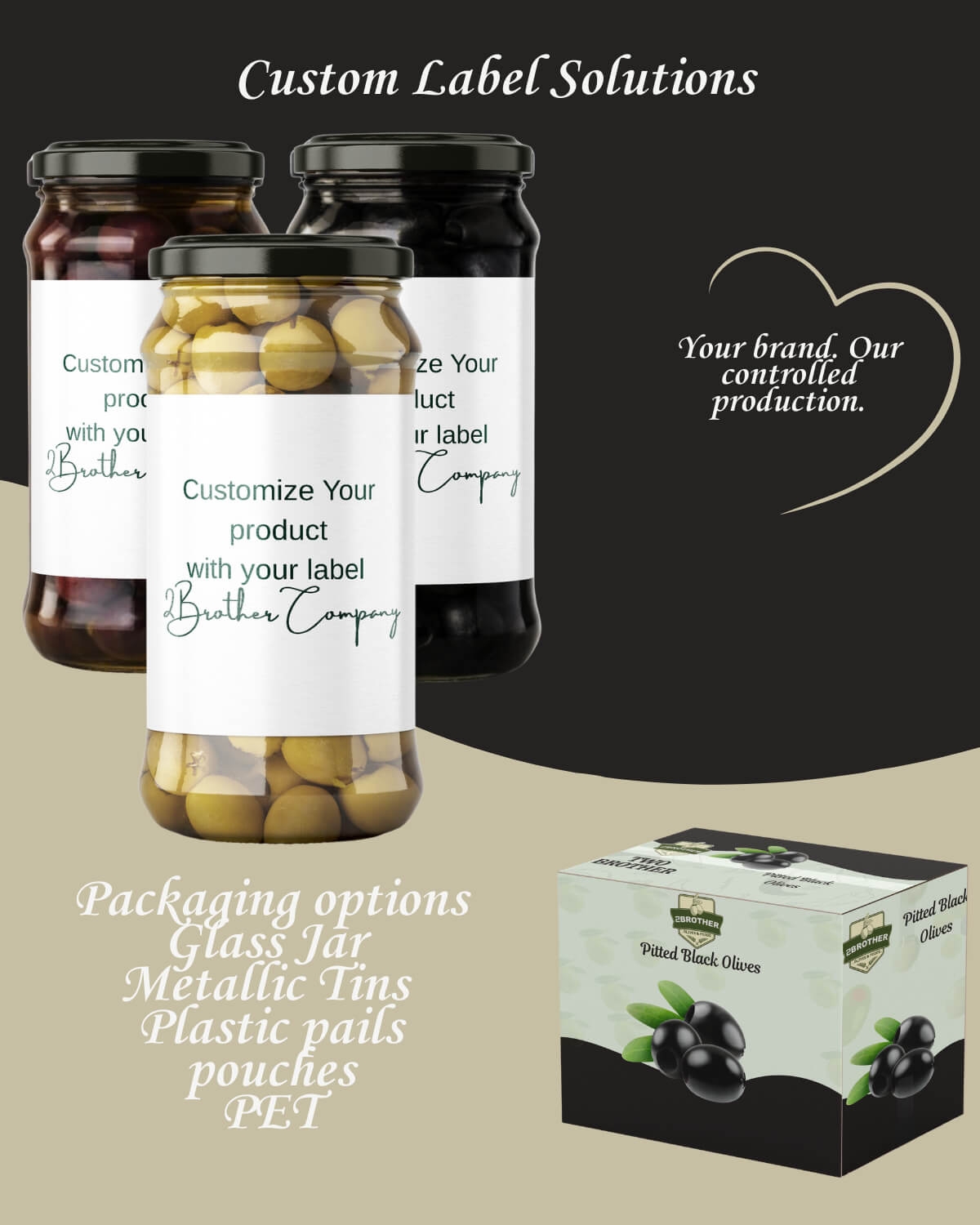
4. Packaging & Brand Integration
Private label programs include coordinated packaging execution:
-
Glass jars (370ml / 720ml)
-
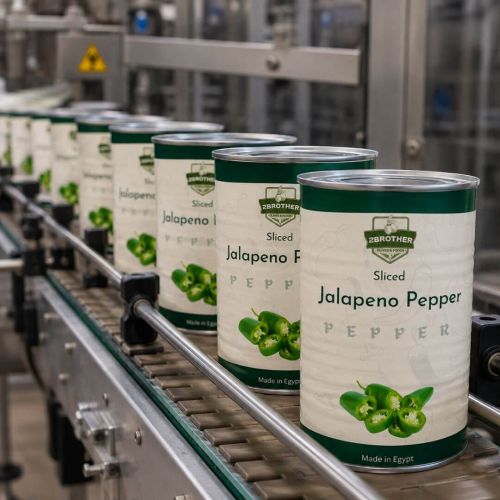
4.25L industrial tins
-
5kg & 10kg foodservice buckets
-
Custom label integration
-
Regulatory and barcode compliance
Packaging must align with logistics optimization, pallet configuration, and retail shelf presentation.
5. Compliance, Export & Documentation
International private label supply requires structured documentation and certification:
-
Food safety compliance
-
Export documentation
-
Labeling accuracy
-
Market-specific regulatory alignment
Reliable suppliers ensure that customs clearance and international logistics remain predictable.
6. Production Planning & Scalable Supply
Successful private label programs depend on long-term production planning:
-
Volume forecasting
-
Lead-time coordination
-
Container optimization
-
Scalable capacity expansion
Scalability ensures that brands can grow without changing suppliers or compromising quality.
Private label becomes sustainable only when manufacturing systems support expansion without instability.
Egypt as a Strategic Production Origin
As an Egyptian Mediterranean manufacturer and supplier of olives and pickled vegetables, integrated farm-to-pack systems support export-oriented production with stable bulk volumes and structured quality control.
Egypt’s agricultural capacity, combined with developed export infrastructure and direct shipping routes to Europe and international markets, positions it as a strategic sourcing origin for private label olive programs.
Conclusion
Private label olive manufacturing is not a branding exercise — it is a coordinated supply structure built on agricultural control, industrial precision, packaging flexibility, and export readiness.
For retailers and distributors, long-term success depends on selecting a manufacturing and supply partner capable of delivering consistent bulk volumes, regulatory compliance, and scalable production without disruption.
In competitive retail and foodservice markets, structured production defines brand stability.
Frequently Asked Questions
What is private label olive manufacturing?
Private label olive manufacturing is the production of olives under a retailer’s or distributor’s brand, following agreed technical specifications, packaging formats, and supply structures.
Can olive suppliers customize brine and product specifications?
Yes. Structured manufacturers and suppliers adjust brine concentration, slicing format, and product specifications to meet retail and foodservice requirements.
What packaging formats are available for private label olives?
Formats include glass jars, industrial tins, foodservice buckets, and customized private label packaging solutions.
Is private label suitable for bulk export supply?
Yes. Private label programs are commonly built around bulk production models with scalable export capacity for international distribution.