English
 العربية
 Español
 Deutsch
 Русский
 Italiana

Natural Black Olives
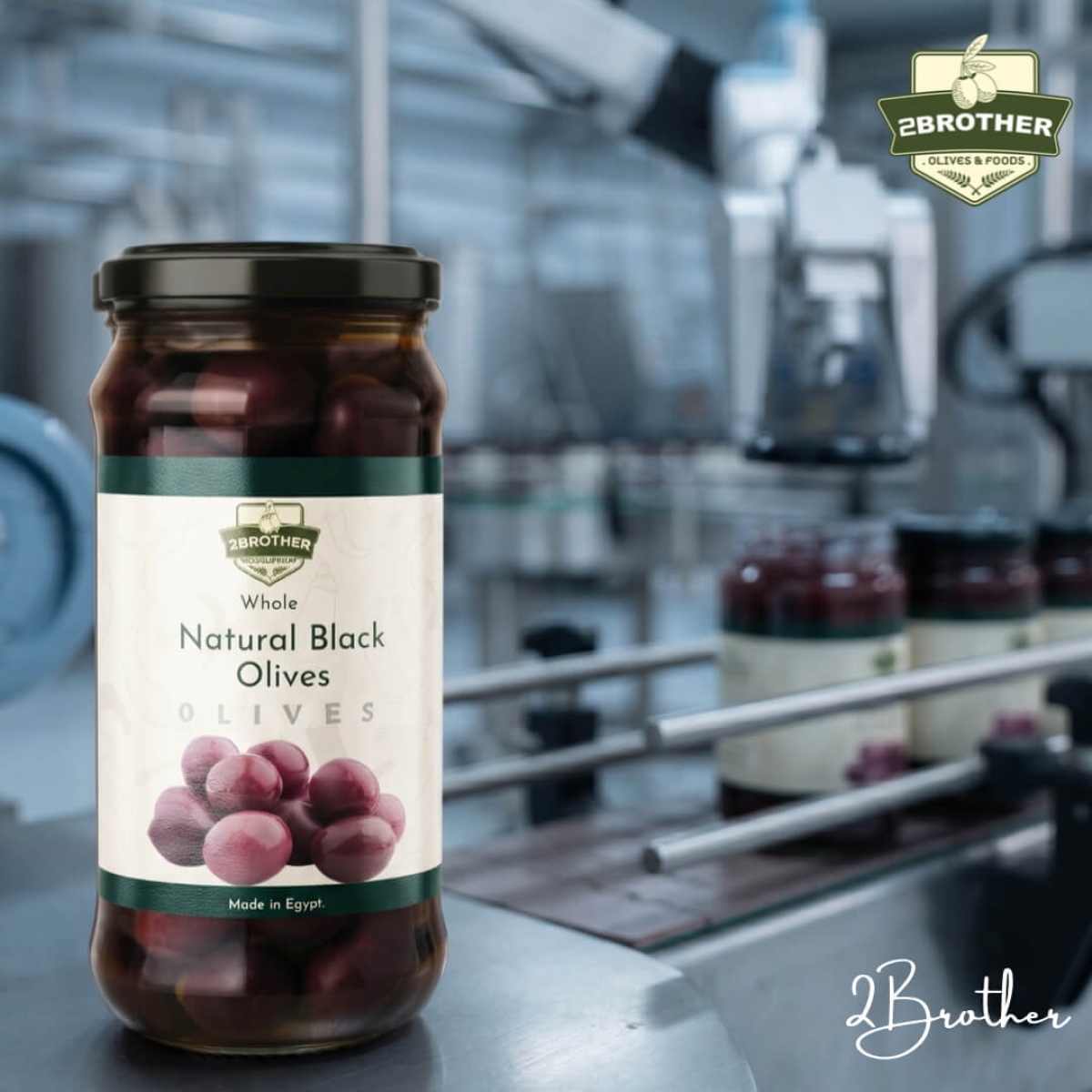
Natural Black Olives: Technical Sourcing & Antipasti Program Planning
Publishing an operational review in November places antipasti and preserved-food buyers directly inside the decision window for upcoming seasonal programs. Rather than treating black olive procurement as an isolated spot purchase, importers, foodservice distributors, and private-label brand owners evaluate supply reliability, processing integrity, and technical consistency across multi-month cycles.
Distinguishing Natural Black Olives from Other Processed Styles
- Maturation and Processing: Natural black olives reach advanced maturation and undergo curing/preservation pathways that shape their natural internal-to-external coloration, firm-yet-tender bite, and savory profile, whereas oxidized/California-style black olives are typically harvested earlier and treated with air and alkaline/iron compounds to achieve a uniform dark exterior and predictable visual profile for specific applications.
- Culinary and Antipasti Behavior: In antipasti mixes, marinated platters, olive tapenades, and ready-to-eat assortments, natural black olives provide a distinct character and skin/flesh structure that behaves differently in brine, oil, or herb marinades compared to artificially darkened or heavily softened styles.
- Technical Specification Alignment: Defining whether a program requires whole, pitted, halved, or sliced natural black olives—alongside target count/calibre per kilogram, drained weight, brine salinity, and shelf life—prevents mismatches during sample evaluation and commercial production.
November Planning Priorities for B2B Buyers & Private Label Programs
- Product & Format Parameters: Confirming olive variety, crop year, calibre grade, cut format, net weight, drained weight, and packaging configuration suited to retail, foodservice, or industrial repacking.
- Quality, Safety & Regulatory Documentation: Aligning product specifications, batch traceability, food-safety management certifications, and destination-market packaging/labeling compliance prior to order lock.
- Logistics & Program Continuity: Coordinating production slots within the 15–30 day lead time, shipment windows, and port routing so seasonal antipasti and private-label programs maintain steady availability without last-minute bottlenecks.