English
 العربية
 Español
 Deutsch
 Русский
 Italiana


Pitted Olives for Repacking
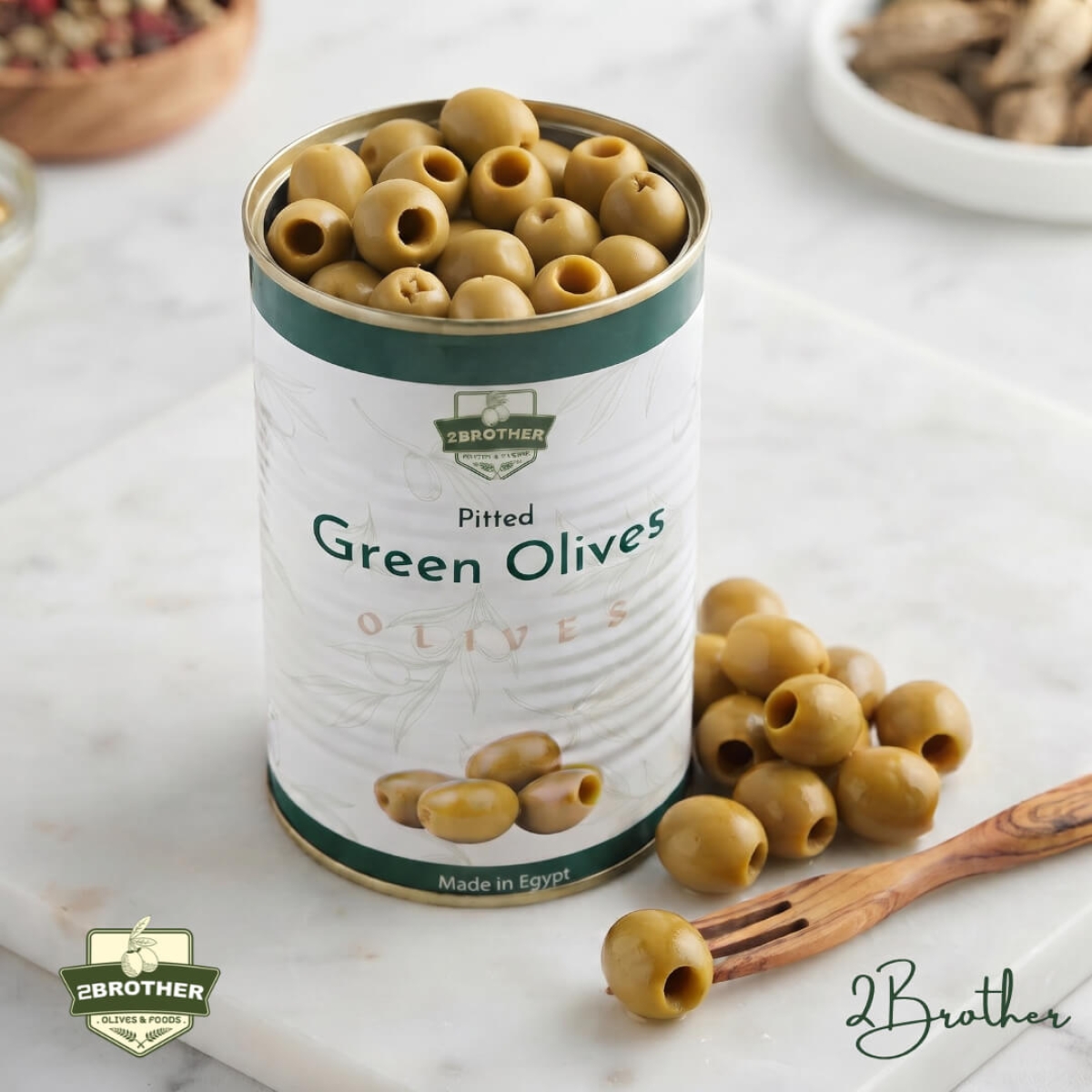
Pitted Olives for Repacking
Specify size and product form before selecting the supply pack
For a repacking business, an incoming consignment must fit the product that will leave its own packing line. A request for “pitted olives in bulk” starts the conversation, but it does not yet define the requirement. At TWO BROTHERS CO, we invite importers and repackers to share their product specification first, so the olive selection and supply pack can be discussed together.
Start with the product you intend to sell
Will the olives be repacked as an individual retail item, included in a mixed range or supplied onward to foodservice customers? Describe the final presentation and the work that will happen at your site. If you are matching an existing item, share its approved specification or a reference sample. A photograph helps explain appearance, but cannot replace measurable requirements.
Define the olive type and presentation
State green or black olives, the required variety if specified, and the product description used in your range. For black olives, identify the required product type rather than relying on colour alone. State whether the fruit must remain intact after pitting. If the intended product is sliced or halved, identify that as a separate presentation rather than leaving “pitted” to cover every form.
Make the size grade unambiguous
Record the agreed sizing basis. IOC grading for pitted fruit refers to its original whole-olive size, not simply its post-pitting count per kilogram. [1] If your current specification uses another convention, attach it and ask for the supplier’s equivalent. Terms such as “large” are not enough to establish a shared reference.
Share your repacking brief
Already have a specification? Send it with the intended end use and destination market. We can then review which product details and supply formats need confirmation.
Evaluate the sample for your operation
Assess a representative sample against written criteria for appearance, texture and performance during your own handling. Include acceptance criteria for fruit damage and pitting defects, with the sampling method agreed by both parties. Do not treat “pitted” as an absolute guarantee that no stone material can occur. Record what was evaluated so the sample and later order use the same reference.
Separate the incoming pack from the final pack
Your incoming bulk container and your finished retail jar serve different purposes. Discuss handling, opening, drainage and stock rotation before selecting the supply format. Barrels and pails can be reviewed for bulk handling; metallic tins, glass jars and PET jars can also be discussed where appropriate to the product and programme. Not every format suits every repacking operation. Confirm net weight, drained weight and case or pallet configuration for the selected option.
Send your pitted olives program requirements
Tell us your company and destination market, the olive type, required form, size convention and final use. Add the preferred incoming pack, estimated volume and delivery window if known. Attach your specification or reference sample details to request the relevant product information. Packaging and customer-specific requirements are reviewed for the proposed programme; product availability and technical suitability must be confirmed.
Send your pitted olives program requirements
Frequently asked questions
Can I choose the supply pack before the olive specification? You can state a preferred pack at the enquiry stage. Confirm its suitability after the product and your handling needs are clear.
Is repacking the same as private-label supply? No. Repacking means your operation receives and packs the product. Finished private-label supply places the agreed brand on the final pack. Clarify which service you need.
What if I do not have a complete specification? Send the requirements you know and identify the open points. A reference product or existing sample can help frame the discussion; agreed criteria still need to be documented.