English
 العربية
 Español
 Deutsch
 Русский
 Italiana


Bulk Olive Packaging Options for European Importers
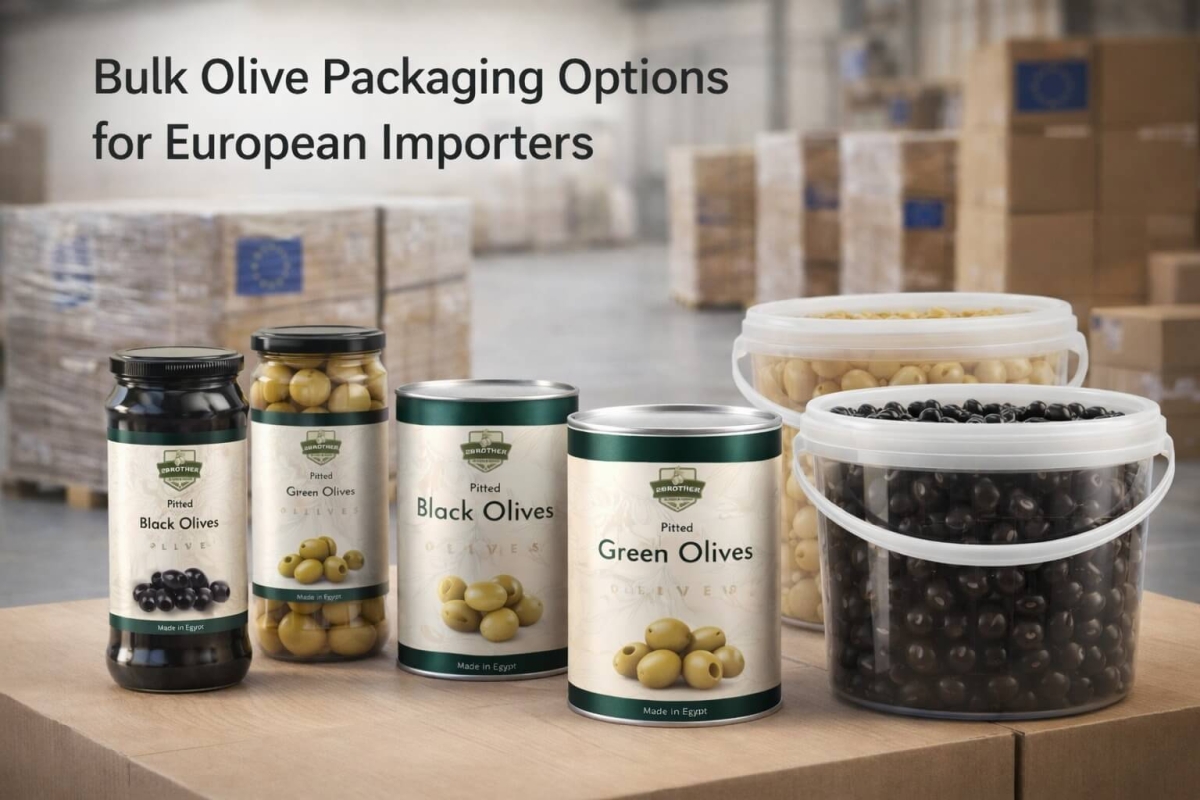
Bulk Olive Packaging Options for European Importers
For European importers, olive packaging is not just about filling a container. It is a commercial decision that affects logistics, shelf presentation, repacking efficiency, private label potential, and product suitability for each market.
Whether the olives are imported for wholesale distribution, foodservice supply, private label development, or retail repacking, the packaging format plays a major role in the success of the final product.
Why Bulk Olive Packaging Matters in European Markets
European importers usually evaluate packaging from both a commercial and operational point of view. The right packaging format can help with:
- safer transport and storage
- better product handling
- easier repacking and redistribution
- stronger shelf presentation
- more suitable private label execution
- better fit for retail, wholesale, or foodservice channels
This is why choosing the right olive packaging option is an important part of the sourcing process, not a secondary detail.
Main Bulk Olive Packaging Options for European Importers
Different European buyers need different packaging solutions depending on their business model. Some importers focus on wholesale and foodservice, while others need packaging suitable for retail shelves or private label programs.
1. Metallic Tins for Wholesale and Repacking
Metallic tins are one of the most practical and widely used formats in bulk olive export. They are strong, efficient in transport, and suitable for larger-volume operations.
This type of packaging is often preferred by:
- wholesale importers
- repackers
- foodservice suppliers
- distributors handling larger volumes
For many European importers, metallic tins are a reliable option when storage efficiency and transport durability are key priorities.
2. Glass Jars for Retail and Premium Presentation
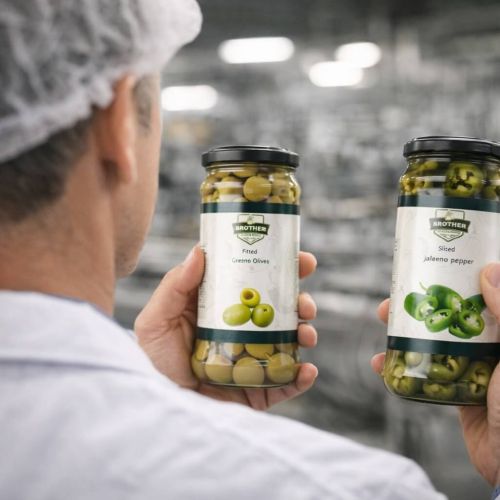
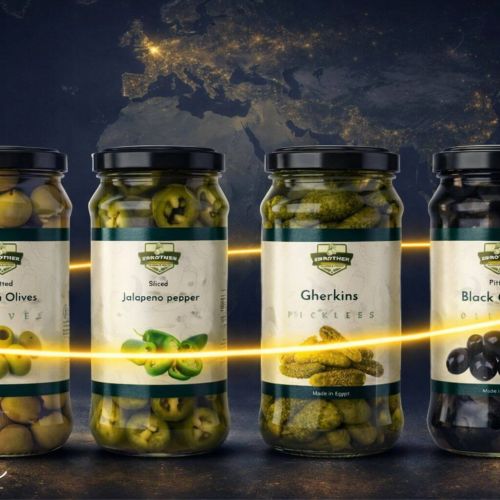
Glass jars are usually selected when the final market needs stronger shelf appeal and a more premium product image. This format works especially well for private label programs and retail-focused importers.
Glass jars are often suitable for:
- supermarket shelves
- premium retail products
- branded olive lines
- private label programs
For importers targeting retail chains or specialty stores, glass packaging can add more value at the point of sale.
3. PET Jars for Practical Retail Solutions
PET jars provide a lighter alternative to glass while still supporting retail presentation. They are easier to handle and can reduce some of the challenges linked to heavier or breakable packaging.
PET jar packaging can be useful for:
- selected retail formats
- practical distribution models
- private label projects requiring lighter packaging
- markets where easy handling is a priority
This format can be a good choice when importers want a balance between product presentation and transport practicality.
4. Plastic Pails and Larger Bulk Formats
For some importers, the product is not intended for direct shelf sale in the same format. In these cases, plastic pails and other larger bulk packaging solutions may be more suitable.
These formats are commonly used for:
- repacking operations
- catering and foodservice
- industrial use
- large-volume distribution
For European importers who handle secondary packaging after arrival, bulk formats offer more operational flexibility.
How European Importers Choose the Right Olive Packaging
There is no single packaging format that fits every importer. The right choice depends on the target market, customer profile, and distribution model.
For Retail-Focused Importers
Retail buyers usually need packaging that supports presentation, label visibility, and shelf appeal. Glass jars and selected PET formats are often a stronger fit here.
For Wholesalers and Distributors
Distributors usually prioritize efficient transport, storage, and larger-volume handling. Metallic tins and bulk packaging formats are often more practical.
For Private Label Buyers
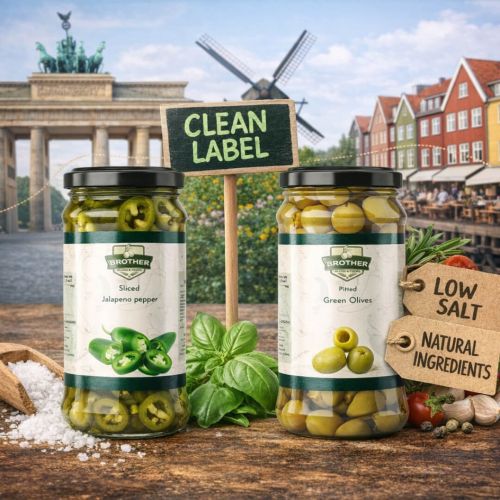
Private label programs need packaging that works well with branding, labeling, positioning, and price strategy. The format should support both the visual identity and the operational model of the buyer.
For Foodservice and Repacking Operations
Importers supplying restaurants, catering businesses, or repacking facilities often prefer bulk formats that simplify handling and make downstream operations easier.
Packaging Flexibility Is Important for Export Success
European markets are not identical. What works in one country may not be the right format for another. Importers often need packaging decisions based on:
- target country
- channel strategy
- retail or wholesale model
- private label requirements
- shipping and storage planning
- customer expectations in the final market
That is why packaging flexibility matters. A supplier should be able to support different packaging approaches depending on the buyer’s actual business needs.
Olive Packaging and Private Label Opportunities
For European importers working on private label projects, packaging becomes even more important. It is not only about protecting the product. It is also about supporting the final brand in the market.
The right olive packaging format can help private label buyers with:
- product positioning
- label application
- price segmentation
- shelf appeal
- consistency across product lines
For this reason, importers looking for private label olive supply usually evaluate packaging options very carefully before placing orders.
Choosing the Right Bulk Olive Supplier
When sourcing olives for Europe, importers often look beyond the product itself. They also consider whether the supplier can provide packaging options that suit different commercial needs.
A reliable olive supplier should be able to support:
- export-focused packaging options
- retail and wholesale formats
- private label requirements
- practical bulk solutions
- product and packaging consistency
This helps importers reduce friction, improve handling, and align the product offer with their final market.
Bulk Olive Packaging for European Importers: Final Thoughts
Bulk olive packaging is a key part of any successful export program. For European importers, the right format can affect distribution efficiency, market fit, private label potential, and final product performance.
Metallic tins, glass jars, PET jars, and bulk formats each serve different needs. The best choice depends on whether the importer is focused on retail, wholesale, foodservice, repacking, or private label.
Importers who choose the right packaging solution from the start are usually better positioned to serve their market more effectively.
Looking for the Right Olive Packaging Format?
If you are sourcing olives for wholesale, retail, repacking, or private label in Europe, choosing the right packaging format is an important part of the process.
Contact us to discuss the most suitable olive packaging option for your market, channel, and business model.
FAQ: Bulk Olive Packaging for European Importers
What is the best bulk olive packaging for European importers?
The best bulk olive packaging depends on the importer’s sales channel and operational model. Metallic tins are often suitable for wholesale and repacking, while glass jars and PET jars are more suitable for retail and private label programs.
Which olive packaging format is best for wholesale distribution?
For wholesale distribution, metallic tins and larger bulk formats are usually preferred because they support efficient transport, storage, and handling.
Are glass jars suitable for olive private label projects?
Yes. Glass jars are commonly used for private label olive products, especially when shelf appeal and premium presentation are important.
Do European importers use PET jars for olives?
Yes. PET jars can be a practical option for certain retail and private label programs, especially when lighter packaging and easier handling are needed.
Which olive packaging is better for foodservice buyers?
Foodservice buyers often prefer larger bulk formats such as metallic tins or plastic pails, depending on the product and operational needs.
Why is packaging important when importing olives into Europe?
Packaging affects shipping safety, storage, product presentation, repacking efficiency, and suitability for the final market. It also plays a major role in private label and retail positioning.
Can olive packaging be adapted for different European markets?
Yes. Different markets may require different packaging formats depending on retail standards, wholesale operations, and customer preferences.
Is packaging important for olive private label branding?
Yes. Packaging is a major part of private label success because it supports product image, brand identity, and the final shelf presentation.
What should importers consider when choosing bulk olive packaging?
Importers should consider the target market, sales channel, logistics, storage, product positioning, and whether the product is intended for retail, foodservice, wholesale, or repacking.
Do bulk olive suppliers usually offer multiple packaging options?
Professional export suppliers usually provide more than one packaging option to meet the different needs of importers, distributors, and private label buyers.