English
 العربية
 Español
 Deutsch
 Русский
 Italiana

Pepperoncini & Lombardi Peppers in European Cuisine
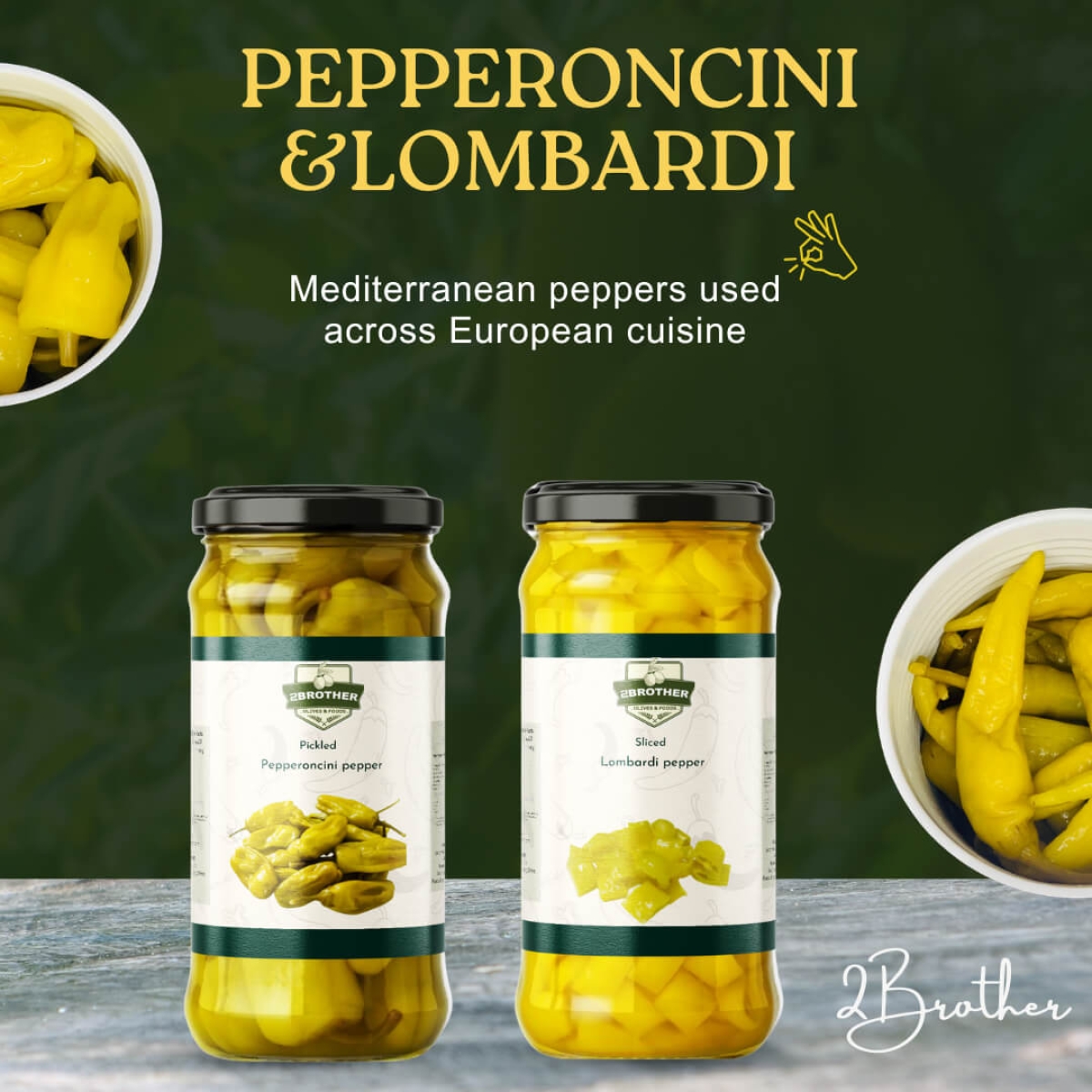
Pepperoncini & Lombardi Peppers in European Cuisine
Pepperoncini and Lombardi peppers are widely used across European cuisine, particularly in Mediterranean dishes, antipasti assortments, and pickled vegetable products. Their mild heat, balanced acidity, and versatile texture make them ideal for both culinary use and large-scale food production.
In European markets, these peppers are valued not only for their flavor but also for their suitability for pickled vegetable manufacturing and bulk foodservice supply.
Culinary Role in European Food Culture
Across Southern and Central Europe, Pepperoncini and Lombardi peppers appear in a wide range of dishes and prepared foods.
Common uses include:
-
Mediterranean antipasti platters
-
Pizza and sandwich toppings
-
Pickled vegetable mixes
-
Salad garnishes
-
Grilled vegetable dishes
Their mild spice level allows them to enhance dishes without overpowering other ingredients.
Because of this balanced flavor profile, pickled Pepperoncini have become a standard ingredient in many European kitchens.
Pepperoncini vs Lombardi Peppers
Although often used interchangeably in culinary applications, these peppers have different characteristics.
Pepperoncini
-
Mild heat level
-
Slightly tangy flavor
-
Thin skin and soft texture
-
Frequently used for pickling and foodservice toppings
Lombardi Peppers
-
Sweeter taste profile
-
Long and smooth shape
-
Common in Mediterranean vegetable mixes
-
Often included in retail antipasti products
Both varieties are well suited for industrial pickling and large-scale distribution.
Importance in Pickled Vegetable Production
Pepperoncini and Lombardi peppers are widely processed as pickled vegetables due to their texture and flavor balance.
Pickled formats offer several advantages:
-
Extended shelf life
-
Consistent taste across batches
-
Ready-to-use ingredient for restaurants
-
Compatibility with mixed vegetable products
These characteristics make them particularly valuable for manufacturers and distributors serving retail and foodservice markets.
Demand in European Retail and Foodservice
Demand for pickled peppers continues to grow across Europe in both retail and hospitality sectors.
Retail consumers commonly purchase them as part of:
-
Jarred Mediterranean vegetable products
-
Antipasti assortments
-
Pickled vegetable selections
In foodservice, bulk formats are widely used by:
-
pizza chains
-
sandwich shops
-
catering kitchens
-
Mediterranean restaurants
Suppliers serving these markets must ensure consistent quality, standardized brine profiles, and reliable bulk supply.
Mediterranean Production and Export Supply
Mediterranean agricultural regions remain a key source for Pepperoncini and Lombardi peppers used in European cuisine.
Favorable growing conditions combined with export-oriented processing infrastructure allow manufacturers to produce pickled peppers at scale while maintaining consistent quality.
Integrated sourcing and controlled production systems help support stable supply for international distributors, importers, and private label food brands.
Conclusion
Pepperoncini and Lombardi peppers play an important role in European cuisine and in the growing market for pickled vegetable products.
Their mild heat, versatility, and compatibility with Mediterranean dishes make them a valuable ingredient for both retail and foodservice sectors.
As demand for pickled vegetables continues to expand, consistent sourcing and structured production remain essential for suppliers serving European markets.
FAQ
What are Pepperoncini peppers commonly used for in Europe?
Pepperoncini peppers are used in salads, antipasti platters, sandwiches, and pickled vegetable products across European cuisine.
Are Lombardi peppers spicy?
Lombardi peppers are generally mild and slightly sweet, making them suitable for Mediterranean dishes and pickled vegetable mixes.
Why are Pepperoncini peppers often pickled?
Pickling extends shelf life while preserving their flavor, making them ideal for retail jars and foodservice applications.
Are pickled peppers popular in European markets?
Yes. Pickled peppers are widely sold in retail jars and bulk formats for restaurants, distributors, and Mediterranean food products.